
Berkeley · Sauna Builder Services
Cedar Tub Install
Western red cedar hot tubs and Japanese soaking tubs set on level pads, plumbed, heated by electric or wood-fired units and finished with insulated cedar tub covers for Berkeley weather.
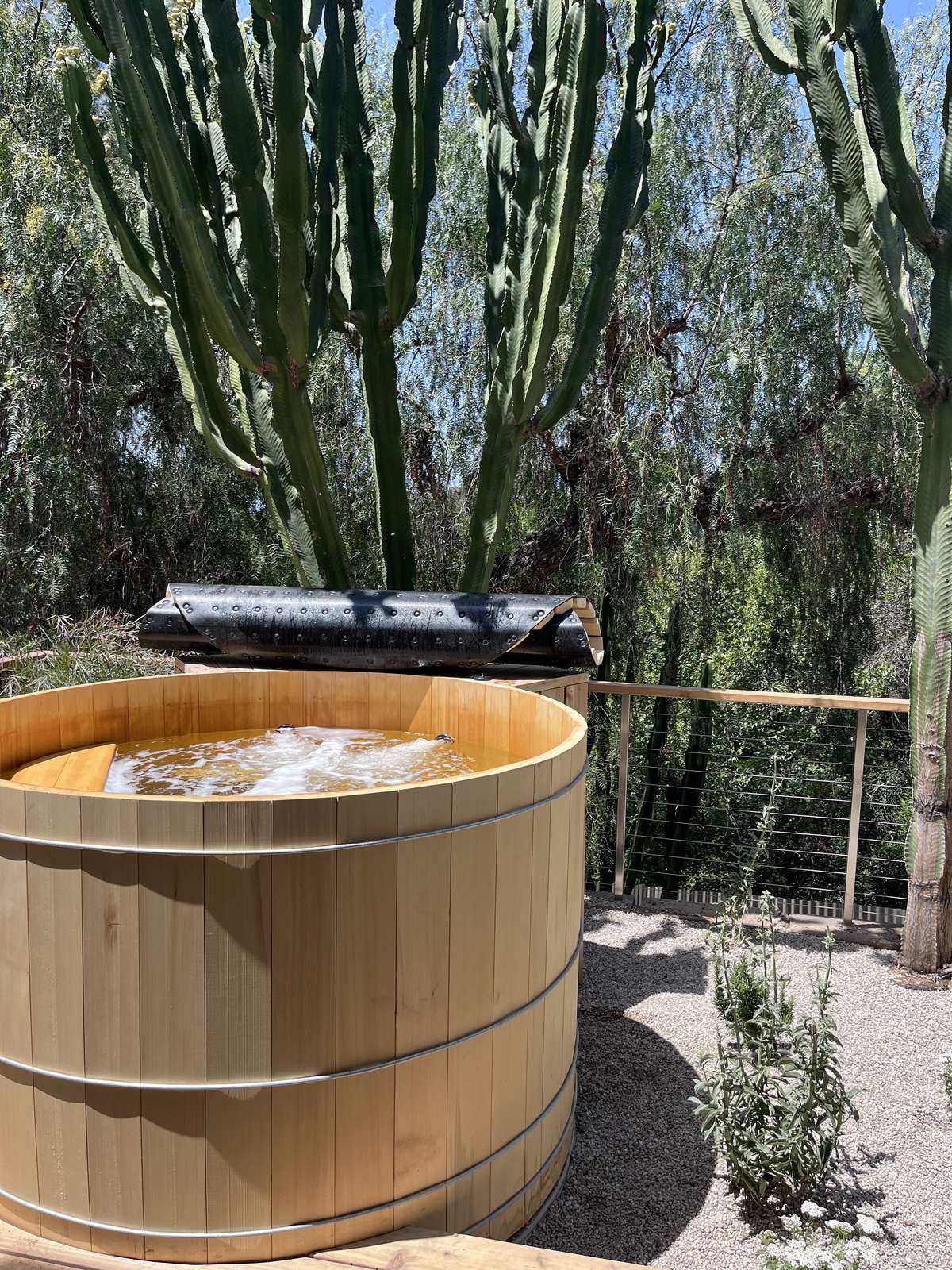
Wooden tubs and what they ask of you
A cedar tub is a ring of staves held together by steel bands and water pressure. When it fills, the wood swells and the joints close up. That one fact drives every decision in the install. The base has to be dead level, the tub has to stay full, and the heater has to be sized so the water stays warm without cooking the wood. We set freestanding hot tubs for backyards and decks, and Japanese soaking tubs (ofuro) for bathrooms and covered porches.
Requests in Berkeley tend to split two ways. Hill households want a hot tub on a deck looking toward the Golden Gate, where the framing has to carry a few thousand pounds of water plus the people in it. Flatland households more often want a deep soaker indoors, in a bathroom that is being remodeled anyway. Both need a drain plan, since a tub gets emptied now and then, and neither the storm drain nor the neighbor's side yard is an acceptable destination.
Most of our tub jobs are one piece of a larger backyard. Some owners want a cold plunge install a few steps away for hot and cold rounds. Others want the tub beside a sauna, which means one trench and one panel plan for both, and our sauna installation crew does that work during the same visit.
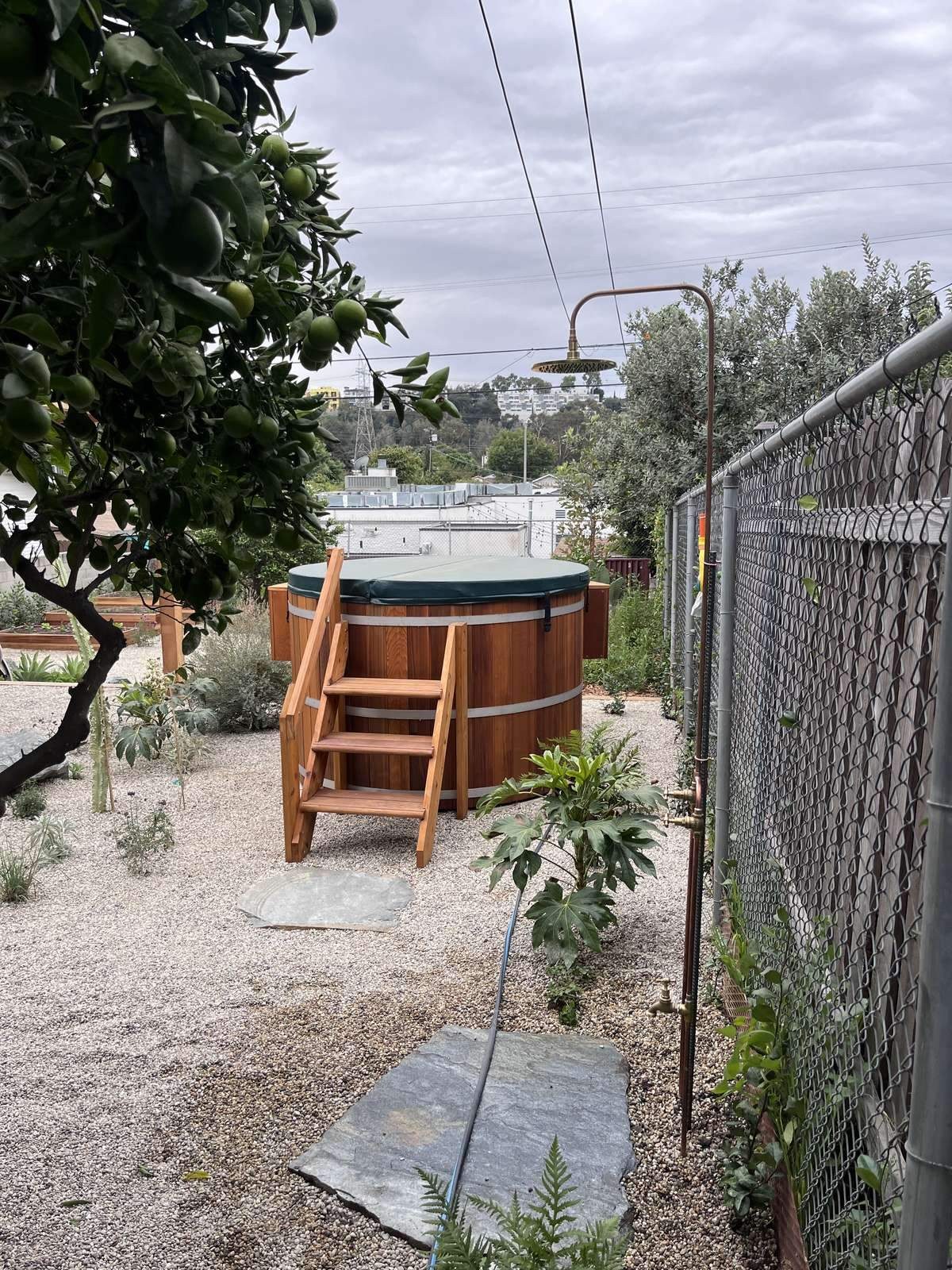
Why a builder should set your tub
A tub looks like a delivery job until the first leak. We look at the structure under a deck before we promise anything, run the heater circuit ourselves, and fill the tub with you there so the joints tighten while someone is watching. If something is still weeping after the third day, we come back. The same crew builds hot rooms too, which is why most people find us as a custom sauna builder that also sets wooden tubs.
- We have deck framing checked before it carries a filled tub, which can outweigh a small car.
- We level the base to within an eighth of an inch so every stave carries its share of the load.
- We restrain filled tubs against sliding, a real concern this close to the Hayward Fault.
- We wire electric heaters on a dedicated GFCI circuit and give wood-fired heaters proper clearances.
- We route the drain to a legal discharge point and add a filter loop when the water stays in for weeks.
- We build cedar tub covers that seal well and lift off without a second person.
When a soaking tub makes more sense than a spa
A wooden tub suits some houses and habits better than an acrylic spa. These are the cases where Berkeley owners usually pick one.
You want to soak without a motor humming
A cedar tub has no jets and no pump grinding away all night. With a small circulation loop or none at all, the yard stays quiet, and that counts on narrow lots where the neighbor's bedroom window is fifteen feet from your deck.
You prefer materials that age well
Wood, stainless steel and water, with no plastic shell headed for a landfill in fifteen years. Clients who ask for FSC lumber and low-VOC finishes like that a wooden tub can be sanded and refinished instead of replaced.
You want a Japanese bath at home
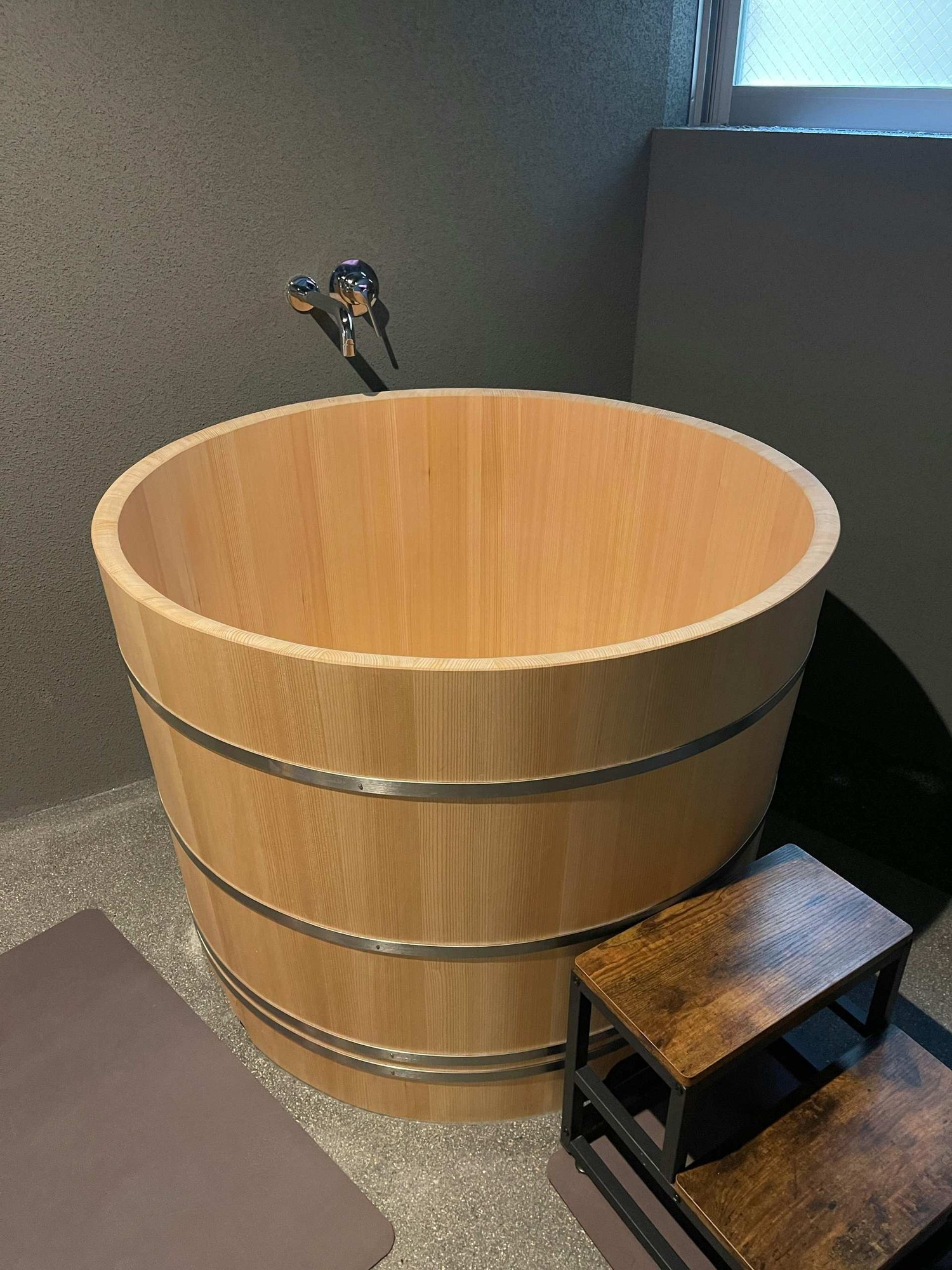
An ofuro is for deep, upright soaking after you have already washed. It fits a small bathroom, takes less floor than a western tub, and leaves the room smelling of wood. Hinoki is traditional, and cedar is a local stand-in at a lower price.
You have a sauna or plan one
Heat, soak, cool, and go again. A tub next to the sauna turns an evening into a full circuit, and the deck, the lighting and the power get planned once instead of twice.
Your old spa finally died
Plenty of Berkeley yards hold an acrylic hot tub with a dead pump and a cracked shell. A cedar tub on the same pad can often reuse the existing circuit once we have tested it.
Steps from delivery to first soak
Check the base
We look at where the tub will sit: slab, pavers, gravel or deck. Decks get a load check and pads get leveled and drained. For an indoor ofuro in an older raised-floor house, we often add a joist or a post down in the crawlspace.
Power and plumbing
Electric heaters get their own GFCI circuit. We plan the fill from a hose bib or a dedicated line and the drain to a spot the city accepts. Wood-fired heaters get a stovepipe with a spark arrestor.
Assemble and swell
Staves go up, the bands are tightened in stages, and the tub is filled. A little leaking for a day or two is normal while the wood takes on water. We come back to check it and re-snug the bands.
Cover and care
The cover goes on, the heater gets its first full run, and you get a written routine for sanitizing, filter rinsing and draining.
Options for cedar and Japanese tubs
A few choices shape how the tub looks, how well it holds heat and how much upkeep it needs.
Types of wood
Western red cedar is the usual pick for rot resistance and price. Alaskan yellow cedar is harder and paler. Hinoki cypress, with its faint lemon scent, is the Japanese standard and sits at the top of the price list. We skip species that stain the water or check badly.
Heaters
Electric in-line heaters are the norm in Berkeley and pair well with rooftop solar. Submerged wood-fired stoves heat quickly and suit people who like tending a fire, within the regional rules on Spare the Air days.
Filtration and water care
A small pump and cartridge filter keep the water usable for a few weeks between changes. Skip the filter and you will be draining much more often. For people who want less chlorine we fit ozone or mineral cartridges.
Cedar tub covers
A cover holds heat overnight and keeps out leaves and oak litter. We make hinged cedar lids with an insulated core, or supply a vinyl insulated cover when the budget matters more than looks.
Japanese tubs indoors
An ofuro wants a waterproof floor with a drain, often a tiled wet room with the tub raised on slats. We coordinate the waterproofing and can combine it with a steam shower in the same room.
Steps, seats and lighting
Cedar steps outside, an inside bench set to your shoulder height, and a low deck or underwater light for evening soaks under the fog.
Pricing a cedar tub project
A cedar tub set on a ready pad in Berkeley starts around eight thousand dollars. A deck-mounted tub with a new circuit, filtration and a custom lid is often fifteen to twenty-five thousand. The main variables:
- Tub size and wood species, with hinoki costing far more than cedar.
- Heater type, and whether a new circuit or panel work is needed.
- Base work, from leveling pavers to reinforcing a deck.
- Filtration, circulation and sanitizing equipment.
- Cover style, from vinyl to a hinged cedar lid.
Every quote is written after we see the site. If the tub is headed for a bathroom, ask about pairing it with one of our steam saunas, since the waterproofing overlaps and a single wet room can hold both.
Frequently Asked Questions
Do cedar tubs leak?
A new tub weeps for a day or two while the staves swell, then seals itself. After that, leaks mostly show up when a tub is left empty long enough to dry and shrink. Keep it full, or refill slowly and give the wood time to swell again before heating.
How long does a cedar hot tub last?
With steady water, a good lid and sensible water care, fifteen to twenty years is realistic. Tubs set on bare soil or left half full through a dry September give out much sooner.
Can my deck hold a filled tub?
Some decks can. A six-foot tub with water and four adults can pass four thousand pounds. We have the framing checked and add beams or footings where needed, and on a hillside deck we would rather overbuild than guess.
Which brands provide eco-friendly heaters for wooden tubs?
For electric heat we like the compact in-line units sold alongside Dundalk tubs and similar makers, which run well on a solar-backed circuit. Submerged wood stoves burn fairly clean on dry hardwood. A tight insulated lid saves more energy than any brand decision, so we treat the cover as part of the heating system.
What upkeep does a soaking tub need?
Keep the lid on between uses, test and sanitize weekly, rinse the filter every week or two, and drain and scrub every few weeks depending on how often you soak. Oil the exterior once a year with a low-VOC finish, and never leave the tub dry for more than a few days.
See all FAQs on our FAQ page.
Planning cedar tub install in Berkeley?
Send a few details or give us a call, and we will set up a visit and a free written estimate. We look at the room or yard, the panel and the access, then tell you what will work and what it will cost, with no obligation.
Or call us now: 510-953-5839