
Berkeley · Sauna Builder Services
Indoor Saunas
Saunas built inside Berkeley homes, in basements, garage bays, spare bedrooms, closets and ADUs, with vapor barriers suited to damp lower floors and heaters matched to the circuit your house can supply.
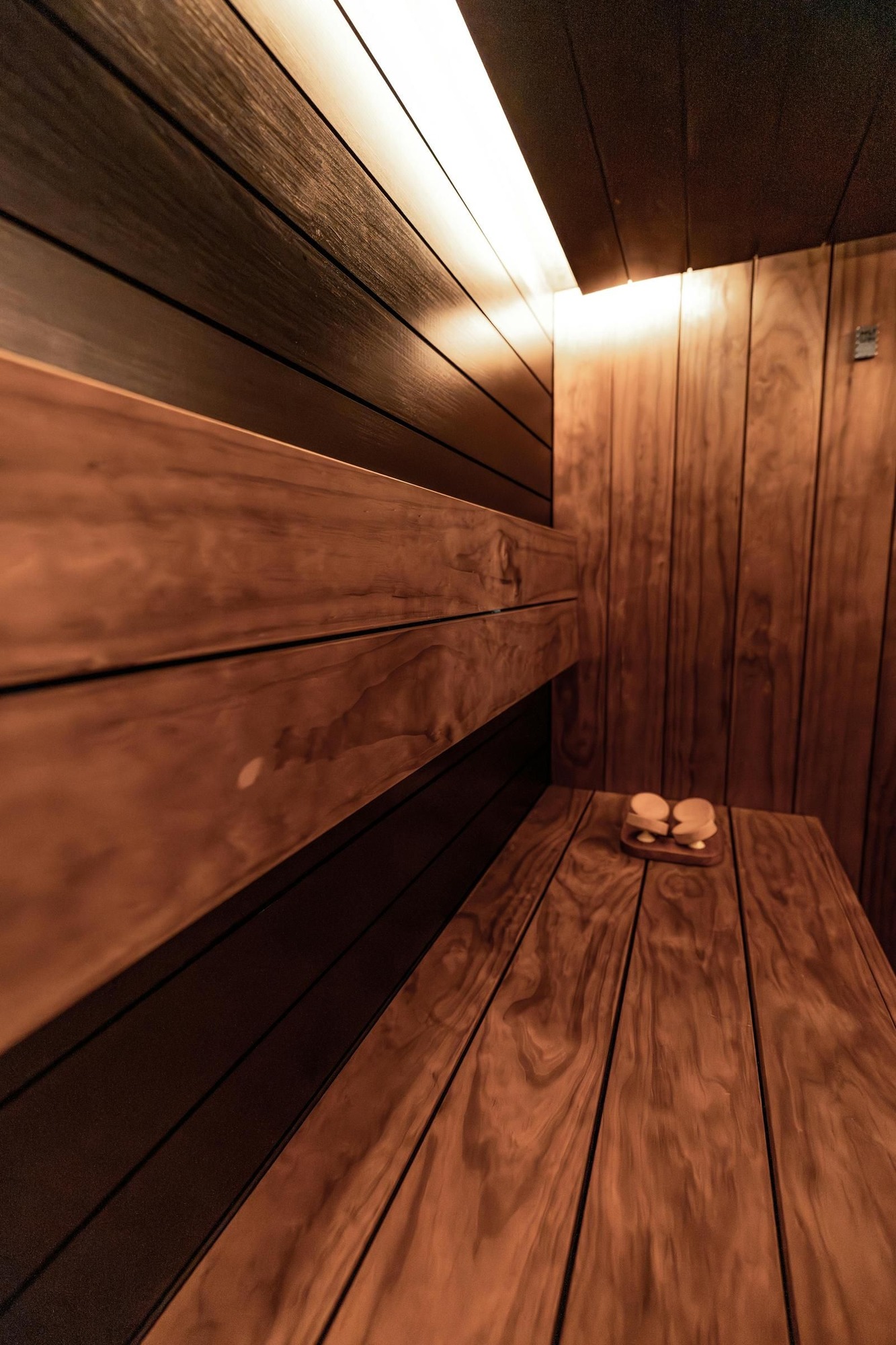
Making room for heat inside the house
Most Berkeley homes have a spot that could hold a sauna: a basement corner under a Craftsman, a half-used garage bay, a closet off the main bath, or a spare room that stopped being an office. Putting the sauna indoors uses that space and spares you a walk across a wet yard on a foggy night. A two-person room needs as little as four feet by four, and a family-size six by eight fits in plenty of basements.
Indoor builds bring their own problems. Basements in the flats and near the bay stay damp, raised floors may need extra support, and older wiring rarely has capacity to spare. We work through each one. Walls get insulation and a taped foil barrier, the floor gets a water-resistant surface, and the heater is matched to what your panel can carry. Some clients go for a basement sauna with an electric heater and a shower a few steps away. Others choose a room that runs on a smaller circuit.
If your electrical service is tight, infrared saunas are often the easiest way to get heat indoors. Owners with more yard than floor space should look at outdoor saunas. And if you already have an indoor room that heats slowly, smells musty or trips its breaker, our sauna repair crew can usually fix it without a rebuild.
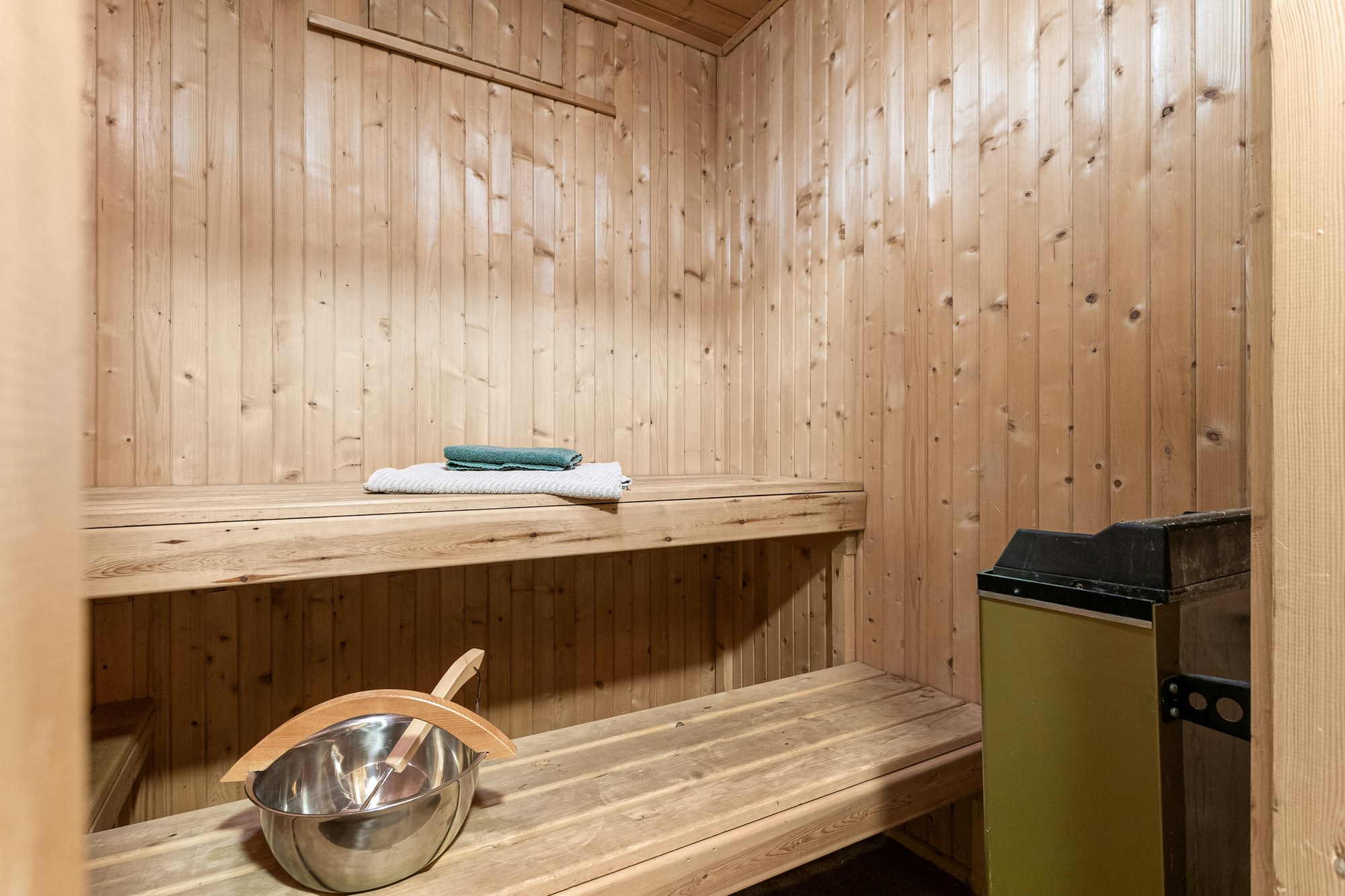
Protecting the house around the sauna
An indoor sauna sits inside your building envelope, so a leak or a moisture problem becomes a problem for the whole house. We build with that in mind and look at the structure, wiring and airflow before starting. Anyone curious about how we work as an indoor sauna builder is welcome to call and ask the crew directly.
- We moisture-test basement slabs and walls before framing.
- We confirm that joists can carry the load on raised floors.
- We route exhaust air so humidity does not build up in the house.
- We coordinate electrical upgrades with the city and PG&E when needed.
- We fit rooms into awkward spaces with custom framing.
- We protect finished floors and walls while we work.
When indoors is the better spot
Indoor builds suit a lot of Berkeley households. These reasons come up most often.
Your yard is small or steep
Homes up in the hills and narrow lots in the flats often have no level outdoor spot at all. Inside, you only need a corner, a circuit and a way to vent the air.
You want easy access all year
Crossing a dark yard in December drizzle to reach the sauna gets old fast. An indoor room sits a few steps from the bedroom or the shower, so it gets used more.
You are converting a garage or adding an ADU
Those projects already involve new framing and wiring. Adding a sauna while the walls are open saves real money compared with coming back later.
The basement sits unused
Many older homes here have partial basements with enough headroom for a small room. With moisture handled properly, they make good sauna spaces, and the cool surrounding air keeps the rest of the house comfortable.
You want privacy and quiet
An indoor sauna stays out of view of neighbors and away from the traffic noise along Solano Ave or Gilman, which matters on lots with little separation.
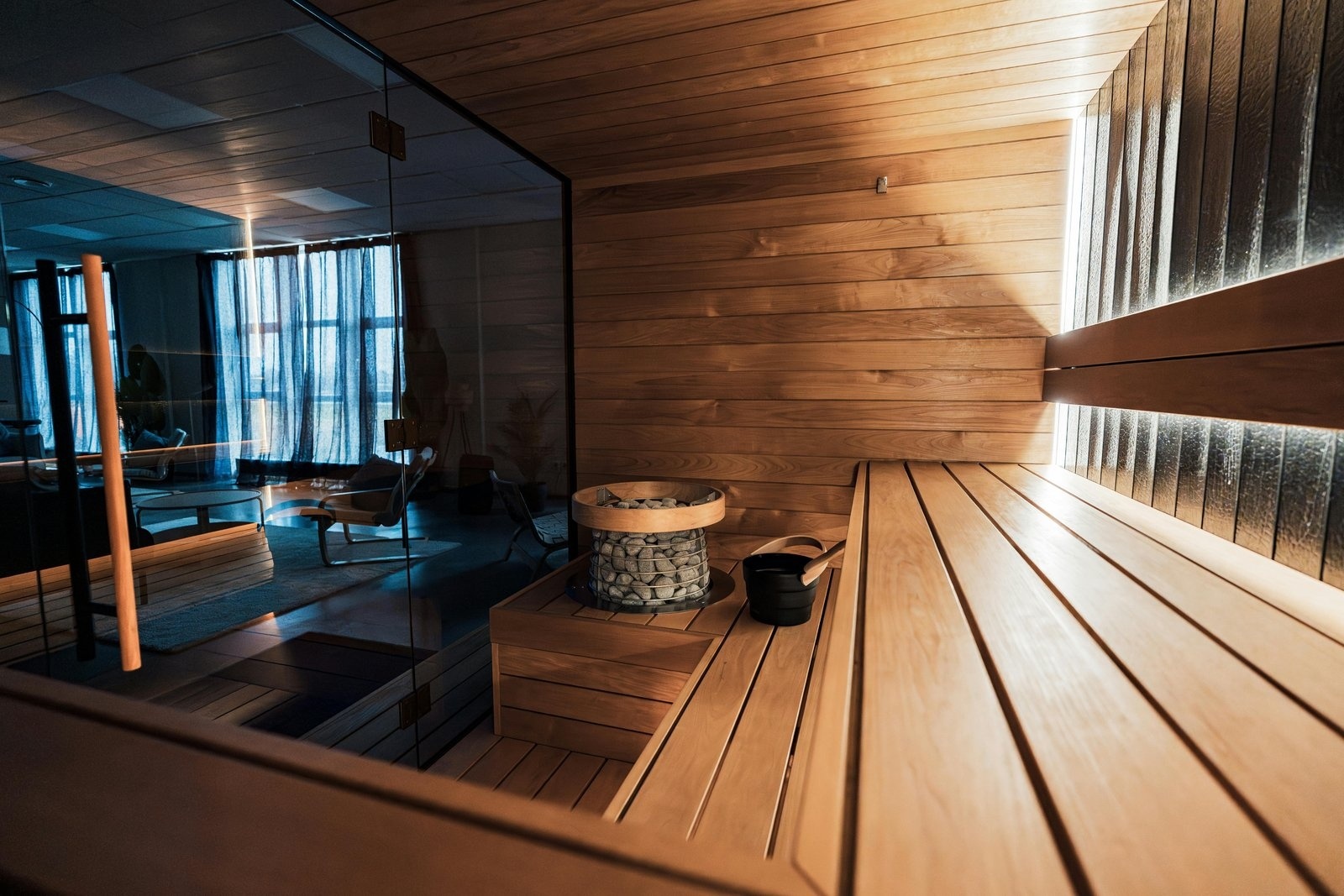
Steps for an indoor build
Assess the space
We measure, test for moisture, check the framing and open the panel to plan the heater circuit.
Design and permits
We draw the room, pick a heater or infrared panels, and file for permits with the city.
Framing and moisture control
Walls, insulation, vapor barrier, vents and wiring go in, followed by the inspection.
Finish and startup
Paneling, benches, door, lighting and heater are installed, and we run a full heat cycle with you.
Construction details for rooms indoors
An indoor sauna succeeds or fails on details that disappear once the boards go up.
Floor construction
Tile, sealed concrete or sheet vinyl with a lip at the door. We keep carpet and bare wood off the floor and add removable duckboards for comfort.
Wall and ceiling assembly
Insulated framing, taped foil and an air gap behind the paneling. We often drop the ceiling to about seven feet to cut the volume the heater has to warm.
Ventilation
An intake near the heater and an exhaust that leads to a hallway, a bathroom fan or outdoors, so moisture does not hang around the basement.
Wood selection
Hemlock and aspen for a clean look and little aroma, cedar for fragrance. We use FSC-certified lumber on request and low-VOC finishes throughout.
Doors and lighting
Glass doors keep small rooms from feeling boxed in. Lights sit low and behind shields so your eyes can relax.
Accessories and extras
Bucket and ladle, thermometer, speakers, an oil diffuser and a salt panel for those who want one, all mounted within reach and clear of the heater.
What indoor rooms cost
Indoor saunas in Berkeley usually run from about eight thousand dollars for a small closet conversion to twenty-five thousand or more for a large basement room. Price factors:
- Room size and ceiling height.
- Moisture work in basements.
- Structural reinforcement on raised floors.
- Electrical capacity and any upgrades.
- Heater type, traditional or infrared.
- Finishes, glass and extras.
Our quotes are fixed after the site visit. If the space needs moisture work before a sauna makes sense, we tell you at the start.
Frequently Asked Questions
Do saunas increase property value?
A well-built, permitted indoor sauna appeals to buyers, particularly in Berkeley where wellness features are popular. It rarely returns its full cost at sale, though. Build it for your own use and treat any resale bump as a bonus.
Can a sauna go in my basement?
Usually, if there is enough headroom and the space stays reasonably dry. We test for moisture first and may add drainage or sealing before building.
What is the smallest practical indoor sauna?
About four by four feet with a ceiling near seven feet works for one or two people. Smaller infrared cabins fit even tighter spaces.
Will an indoor sauna cause damp problems in my house?
Not when it is built with a proper vapor barrier and ventilation. A traditional sauna is dry most of the time, and only the short bursts of steam from pouring water need to be vented.
What are the benefits of hiring a professional sauna builder?
A professional pulls the permits, sizes the heater correctly, builds a moisture barrier that protects the house, and wires the heater safely. A mistake in any of those can mean mold, tripped breakers or a failed inspection when you sell. We also stand behind the work if something needs attention later.
See all FAQs on our FAQ page.
Planning indoor saunas in Berkeley?
Send a few details or give us a call, and we will set up a visit and a free written estimate. We look at the room or yard, the panel and the access, then tell you what will work and what it will cost, with no obligation.
Or call us now: 510-953-5839